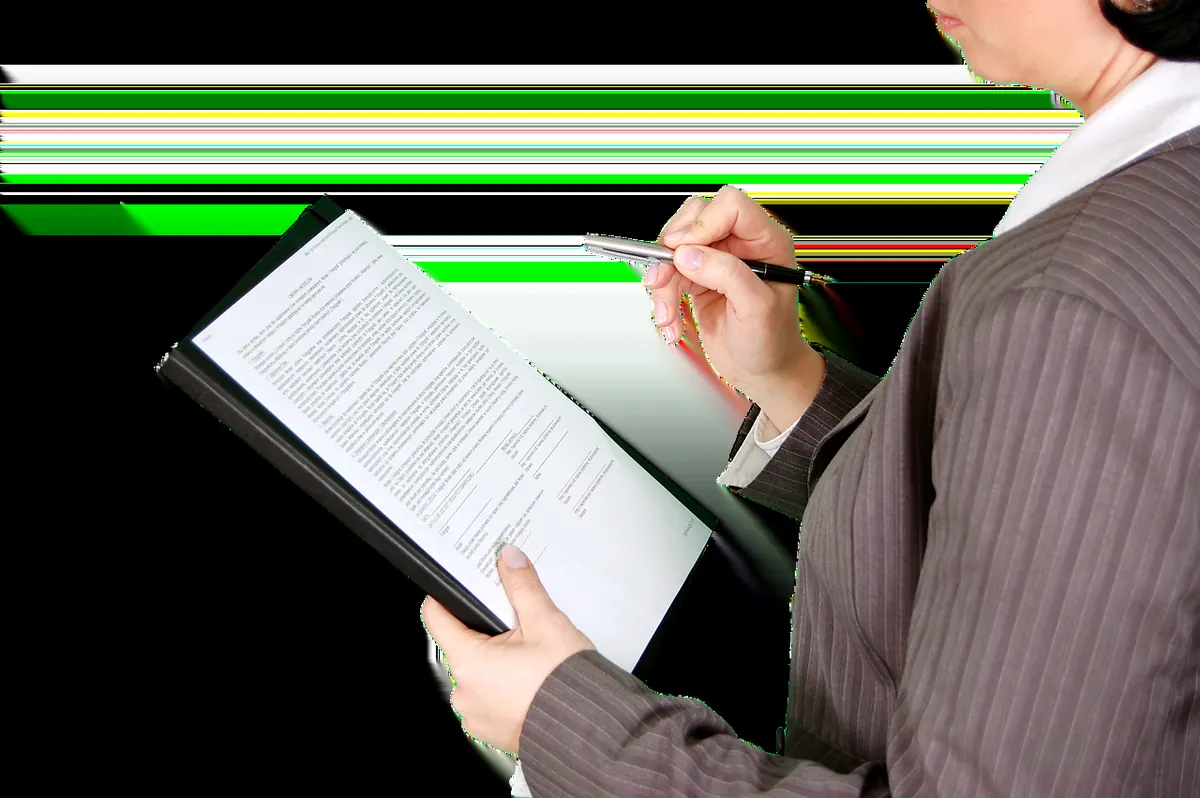
Some documents cannot wait for tomorrow's post. A signed contract, a court filing, a passport, a set of drawings a site team needs before lunch — these need to move today, in one pair of hands, from your desk to someone else's. How you package them in the ten minutes before the courier arrives decides whether they turn up crisp and complete or creased, damp and open to argument.
Same-day courier work is straightforward to prepare for. You are not fighting a sorting machine or a conveyor belt. You are protecting paper from rain, from being folded into a bike bag and from being handed to the wrong person. Here is how to do it properly.
Start With the Right Outer Packaging
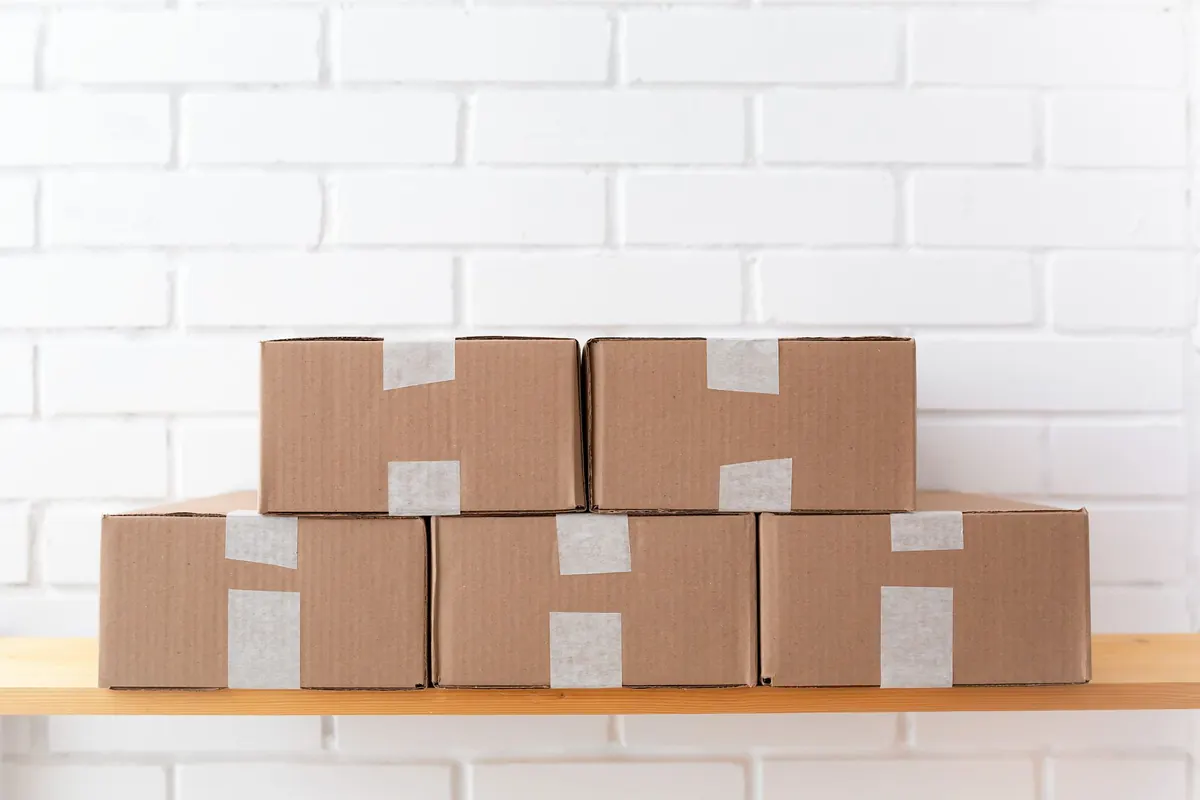
A plain paper envelope is fine for a birthday card. For documents with a deadline, it is not enough. Use a rigid, board-backed envelope sized to the paper inside — A4 documents in an A4 envelope, A3 drawings in an A3 tube or a flat rigid wallet. If you are sending a thick bundle, a small box is better than a bulging envelope, because a bulging envelope splits along the seam.
Size matters more than people expect. An envelope that is much too big lets the contents slide around and pick up creases at the corners. One that is too tight distorts the flap and stops the adhesive from sitting flat. Match the size, and leave a centimetre or so of breathing room.
Protect the Documents Inside
Assume the parcel will meet rain, a damp delivery van floor or a wet doorstep. Put the documents in a plastic wallet or poly sleeve before they go into the outer envelope, even on a sunny morning. It costs pennies and it has saved a great many contracts.
Then think about what the documents physically are:
- Do not fold originals if you can avoid it, especially anything with a signature, an embossed seal, a ribbon or a hologram. Folds over a seal break it.
- Add card on both sides of certificates, notarised pages and anything printed on heavy stock, so it cannot be bent in a bag.
- Skip the metal. Paperclips crimp pages and staples punch holes. Use a light bulldog clip on a corner, or a paper band, if you need to keep pages together.
- Separate recipients. Two people in the same building still means two parcels, two labels and two signatures. Never ask a courier to split a package on arrival.
- Keep a copy. Scan or photocopy everything before it goes in the envelope. If the worst happens, you can resend rather than reconstruct.
Seal It So Nothing Shifts
The seal is where cheap packaging fails. One strip of tape down the flap is not a seal; it is a suggestion.
Tape technique
Use proper packing tape — the clear pressure-sensitive kind — and run it across the full width of the flap, then wrap a second strip around each short edge so it grips both the front and the back. If the envelope has a peel-and-seal strip, reinforce it anyway. A tamper-evident pouch is a good choice for high-value originals: sign or initial across the seal in permanent marker so any later opening is obvious.
Leave the recipient a way in. Over-taping an envelope so thoroughly that it must be cut open is a small cruelty that occasionally ends with a shredded certificate. Fold a small tab at one corner of the tape, or write "open here" on the reverse.
Label It for a Stranger in a Hurry
Your courier has never met your client and may have eight drops before and after yours. The label has to answer every question at a glance. Print it, or write it in block capitals with a waterproof marker. Pencil and ballpoint smudge; ink does not.
What belongs on the label
- Recipient's full name, plus department, floor or suite number.
- The complete address, including building name, nearest entrance and postcode or ZIP code.
- A direct mobile number for the recipient, not a switchboard that closes at five.
- Your company name and a return phone number on the back of the envelope.
- The booking or job reference, so the parcel can be matched to the run.
- A visible marking such as "same-day, time-critical" if the delivery window is tight.
If you are reusing an envelope, remove every old label and barcode first. A scanner that reads the previous recipient's barcode can send your document across the city in the wrong direction, and no one will notice until it is late.
Set Up the Handover Before the Courier Arrives
Most same-day delays happen before anyone gets in a vehicle. Book the run with the details the driver actually needs: the full collection address including the entrance and any access code, the name of the person handing over, and the exact deadline. Say "must be signed for by 2pm" rather than "as soon as possible".
Tell the recipient to expect it. Give them the courier's ETA and your number, and confirm who is authorised to sign. If the delivery address is a large office, a hospital or a site with a security gate, mention that in the booking — a driver stuck at reception for twenty minutes is a driver not delivering.
Handing Over Without Losing Control of It
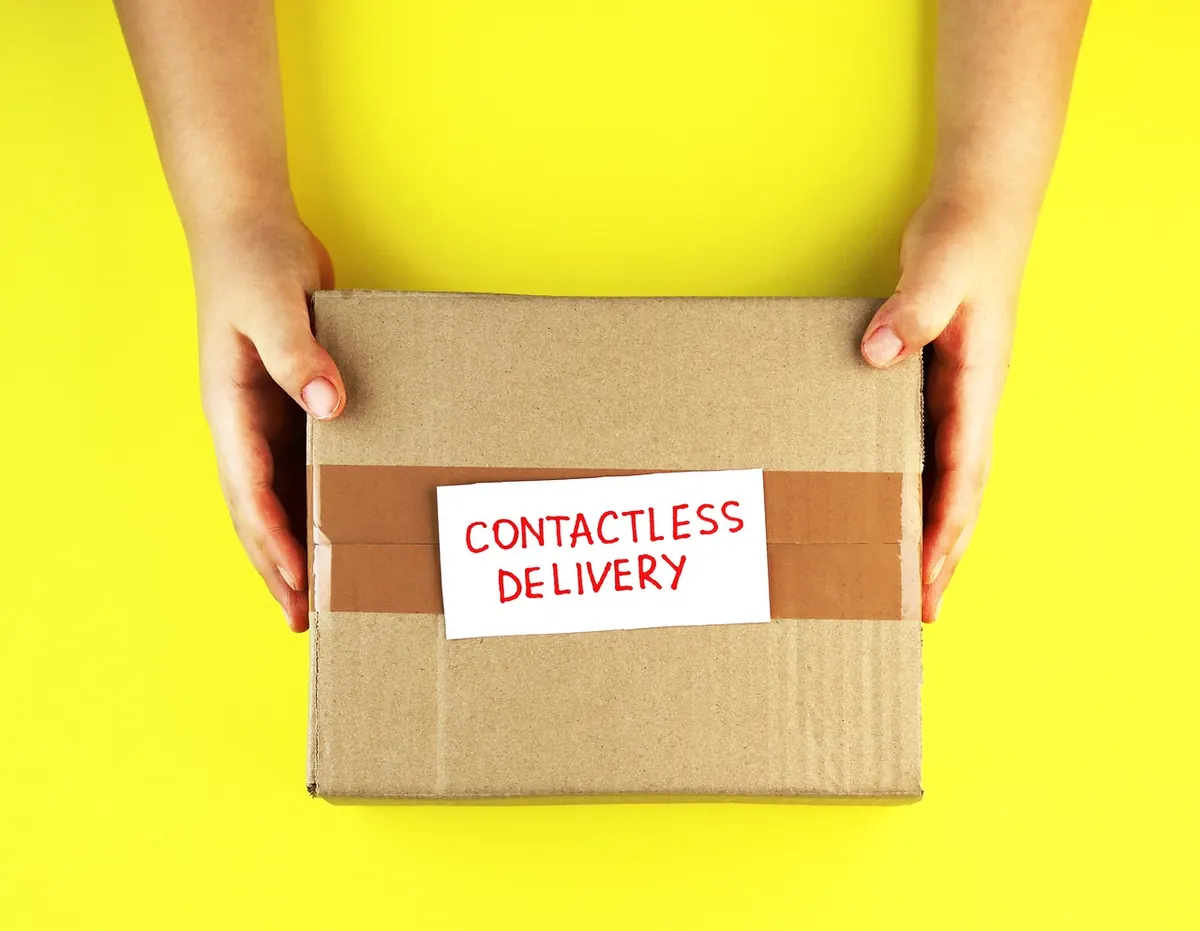
Hand the package to the courier in person. Do not leave it on a reception desk, a chair by the door or under a colleague's monitor with a sticky note. Ask to see the job number or tracking reference and note it down. Watch it go into the courier's bag rather than into a pile of loose paperwork, and confirm the delivery window verbally before they leave.
If a package matters enough to send same-day, it matters enough to be handed over face to face and tracked to the door.
The Two-Minute Check Before You Seal It
Run through this once, every time, and you will rarely have a problem:
- Scan or copy every document you are sending.
- Check the address character by character against the recipient's own letterhead or message.
- Wrap the contents in a waterproof sleeve and add card if they must stay flat.
- Seal the flap and both short edges with packing tape.
- Label front and back in block capitals or print, and strip off old labels.
- Write the deadline, direct phone number and access details on the booking.
- Hand it over in person and record the tracking reference.
None of this takes long. Ten minutes of careful packing is the cheapest insurance you can buy for a document that has to be in someone's hands today — and it means the only thing the recipient notices is that it arrived on time, in one piece, exactly as you sent it.
Photo: myrfa / Pixabay